 MEMBERSHIP LOGIN
 JOIN PRI
TARIFF TALK: 10% Tariffs Invalidated by Trade Court & IEEPA Refunds
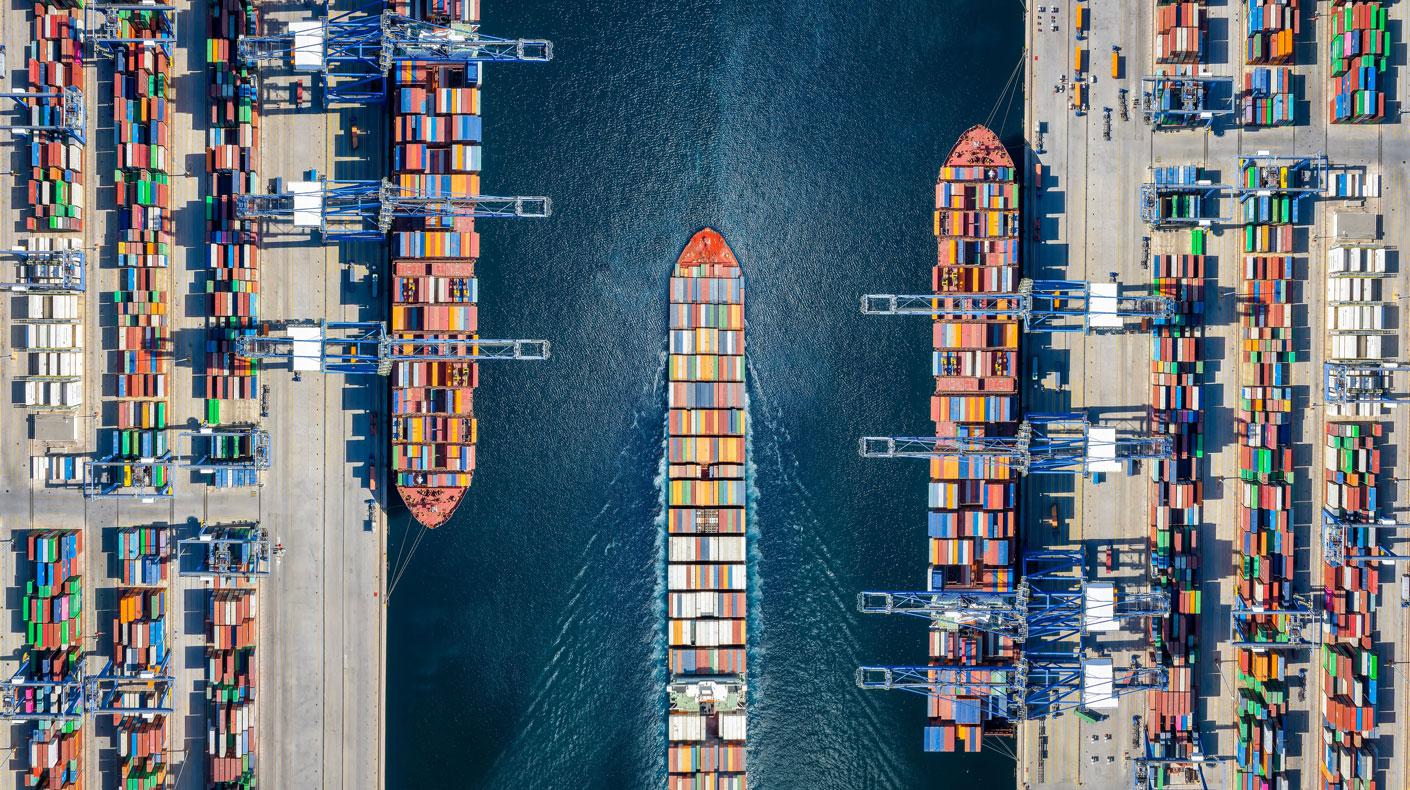
The court's tariff decision may bring short-term financial relief to some aftermarket companies through refunds, but uncertainty remains as appeals move forward.
The U.S. Court of International Trade (CIT) recently ruled that President Trump's application of 10% universal tariffs imposed earlier this year under Section 122 of the Trade Act of 1974 is unlawful and exceeded the authority granted to the executive branch by Congress.
In a 2-1 decision, the CIT ruled that the tariffs were invalid and not allowed by law. However, the U.S. Department of Justice appealed the ruling, so the decision is now on hold until the U.S. Court of Appeals for the Federal Circuit makes a final decision.
The Section 122 tariffs were implemented after the Supreme Court struck down the administration’s tariffs imposed under the International Emergency Economic Powers Act (IEEPA) in February. The Supreme Court's ruling triggered a sweeping federal refund process for importers that had paid duties under the now-invalidated IEEPA tariffs.
Refunds Begin
Businesses across the country have begun receiving tariff refunds from U.S. Customs and Border Protection (CBP). The first wave of reimbursements began hitting company accounts this week, with more than 330,000 importers potentially eligible for repayment tied to approximately $166 billion in collected duties. According to the U.S. Customs and Border Protection (CBP), they have processed over $35 billion in IEEPA refunds on over 8 million entries to date.
How to File for a Refund
CBP officially launched Phase 1 of its new Consolidated Administration and Processing of Entries (CAPE) process for refunding tariffs collected under the International Emergency Economic Powers Act (IEEPA) on April 20. While the rollout is a major step toward returning duties to importers, the initial phase is intentionally limited in scope and applies only to straightforward claims.
Under Phase 1, CBP is only accepting refund requests for entries liquidated within the past 80 days, aligning with the agency's 90-day voluntary reliquidation authority. Importers of record and authorized customs brokers can submit claims through the CAPE Claim Portal by uploading eligible entries via CSV file. Once validated, CAPE will remove applicable IEEPA tariff classifications, recalculate duties and process refunds through CBP's Automated Commercial Environment (ACE), with interest paid where applicable. However, CBP estimates even simple claims could take 60–90 days to process.
Not all entries qualify during this first phase. CBP is excluding entries tied to reconciliation filings, drawback claims, protests, antidumping or countervailing duties, and entries lacking ACE liquidation status. "Finally liquidated" entries also appear to be excluded for now and may need to wait for future CAPE phases.
Importers should ensure they have active ACE portal access, updated ACH payment information and a clear understanding of which entries may qualify. Companies are also being urged to conduct compliance reviews before filing claims, as each CAPE submission requires certification that all entries comply with applicable customs laws.
Businesses that paid IEEPA tariffs should begin organizing import records now, separate eligible entries based on liquidation status and timing, and closely monitor future CBP guidance as additional CAPE phases are expected to expand refund eligibility. Read more about filing for a refund for IEEPA tariffs paid.
Importers are currently operating in a highly uncertain environment: Some businesses are receiving refunds tied to the invalidated IEEPA tariffs while simultaneously continuing to pay the newer Section 122 tariffs that remain temporarily active during the appeals process. Trade attorneys and customs advisors are warning companies to closely track liquidation dates, refund eligibility windows, and potential future shifts in tariff authority.
Questions? Please contact Juan Mejia, PRI's senior manager of federal government affairs, at juanm@sema.org.
Image courtesy of Shutterstock | Sven Hansche